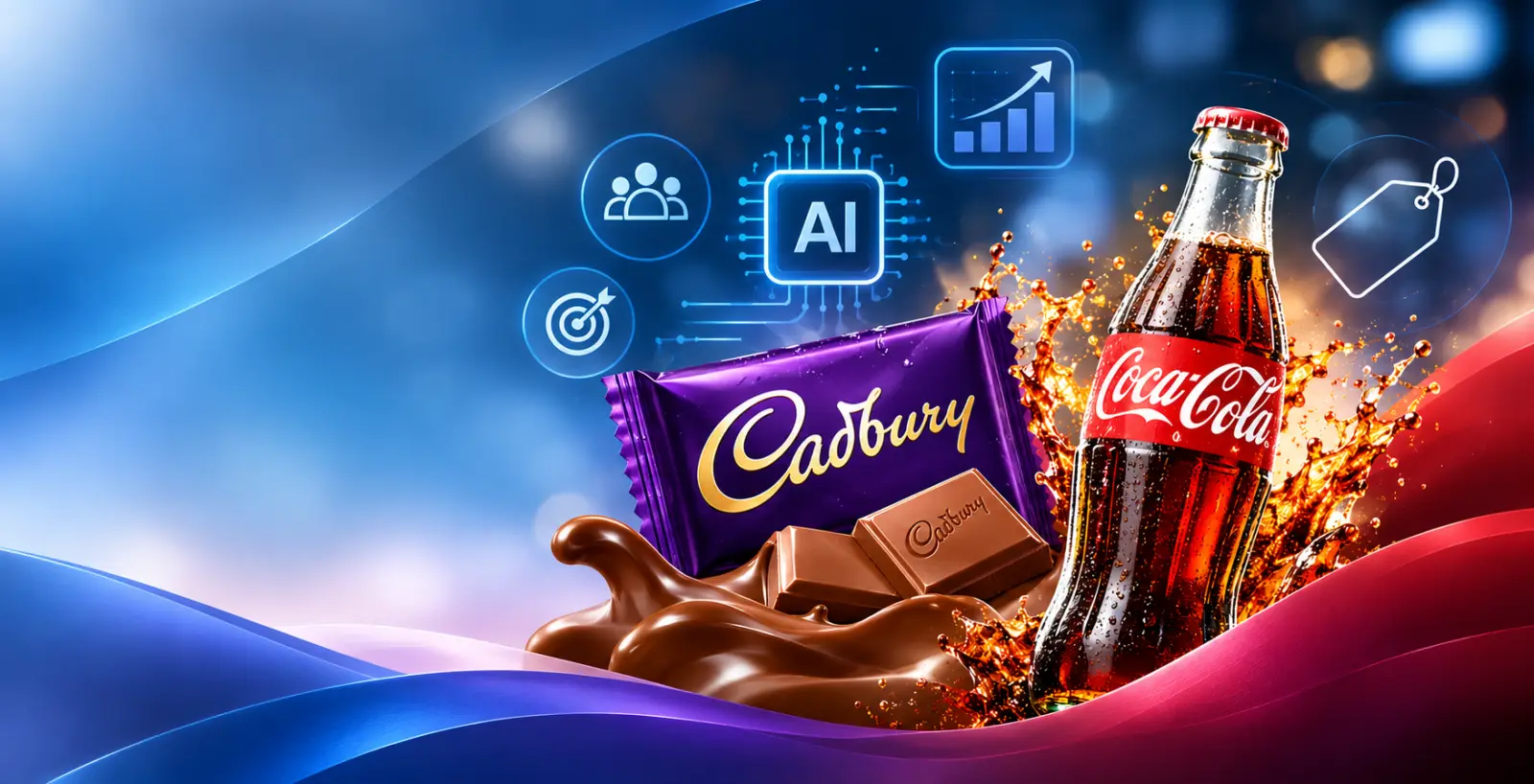
Artificial Intelligence (AI) is changing the way brands understand consumers, communicate their value and build lasting relationships. Traditionally, strong brands were built through consistent positioning, distinctive identity, emotional storytelling and customer trust.
Lets explore the world of branding in the age of AI with 02 examples; namely Cadbury and Coca Cola.
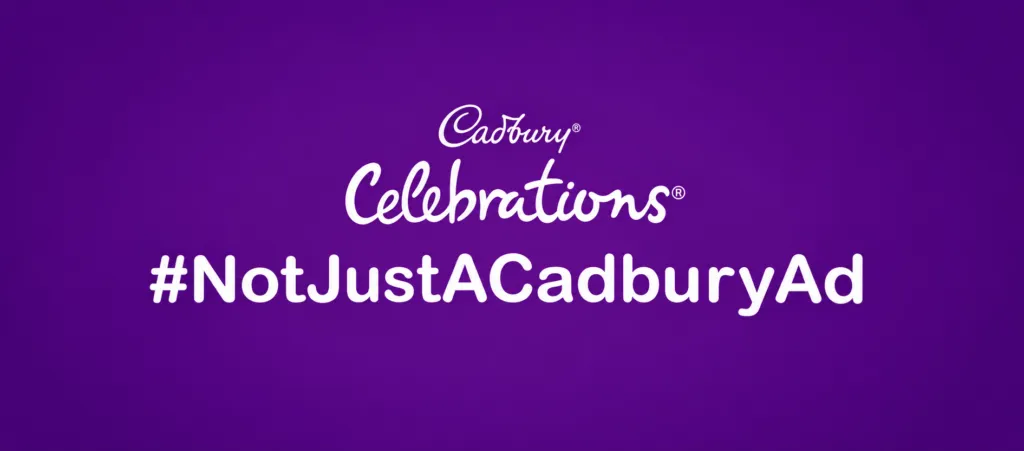
One of the most compelling Indian examples is Cadbury Celebrations’ “Not Just a Cadbury Ad” campaign.
Not Just a Cadbury Ad is a Diwali marketing campaign by Cadbury Celebrations and Ogilvy (launched in 2020 and expanded in 2021–2022) that uses geolocation and AI to promote local small businesses alongside Cadbury chocolates. Instead of advertising only its own products, the campaign helps viewers discover and shop at nearby neighborhood stores affected by the COVID-19 pandemic.
The COVID-19 pandemic has had a particularly severe impact on smaller businesses in India. So Ogilvy and Wavemaker, together with Cadbury Celebrations, worked side-by-side in 2020 on the #NotJustACadburyAd campaign to lend a helping hand.
In 2021, the team updated the data-driven campaign, using machine learning to create advertisements that served both Cadbury and thousands of local businesses, all given support with the enthusiastic help of Cadbury’s brand ambassador and Bollywood’s biggest star, Shah Rukh Khan.
Ogilvy produced ads for small stores that ‘featured’ the famous actor asking passers-by to shop locally for Diwali. The AI-powered, hyper-personalised ads featured more than 2,000 grocery, retail, consumer electronics, home décor, clothing, furniture and jewellery stores across the country. Wavemaker developed the media plan and worked with Google and YouTube to optimize ad reach and engagement.
Ads were targeted to consumers based on their geolocation, promoting only nearby small businesses. Since it’s impossible to cover all the stores across the country, the team created a microsite that allowed small business owners to generate their own versions of the ads, with Shah Rukh Khan ’himself’ using owners’ stores’ names in ads that could be easily posted on social media and other platforms.
A total of 130,000 ads were created featuring 2,000 stores which gained 94 million views across YouTube and Facebook.
Built goodwill around the festive message “Iss Diwali Aap #KiseKhushKarenge?” by tying chocolate gifting to community support. AI helped translate a brand purpose into meaningful consumer and community engagement.

Globally, Coca-Cola has used generative and conversational AI to reinvent its iconic Christmas storytelling. Its AI-powered Santa experience enabled more than a million people across 43 markets to interact with a digital Santa in 26 languages. Consumers could share personal memories and create customised digital snow globes. The campaign demonstrates how a global brand can preserve its familiar emotional identity while creating locally relevant, personalised experiences.
While the interactive snow globe experience won praise for personalization, the fully AI-generated TV commercials drew heavy criticism online for feeling “soulless” and lacking human warmth, with sentiment tracking showing a sharp drop in positive reactions. Following two years of divided audience reactions, Coca-Cola stepped back from generative AI for its 2026 “Enjoy Joy” holiday campaign, returning to live-action filmmaking focused on family gatherings and traditional storytelling
These examples illustrate three important contributions of AI to brand building: personalisation, which makes consumers feel recognised; engagement, which turns passive audiences into active participants; and consistency at scale, which helps brands deliver experiences across markets and touchpoints.
However, technology alone cannot build a strong brand. Poorly designed AI experiences, intrusive personalisation or misleading synthetic content can erode trust. Human insight, creativity, cultural sensitivity and ethical judgement must remain central.
Ultimately, AI should not replace a brand’s identity or promise. It should help deliver that promise more intelligently. The strongest brands of tomorrow will be those that combine the efficiency of algorithms with the empathy of human understanding.
If you enjoyed reading this blog, imagine exploring many more such fascinating business case studies, analysing iconic brand campaigns and developing your own marketing strategies in the classrooms of Maharaja Agrasen Business School (MABS).
The Marketing specialisation offered under the MABS PGDM programme is designed to develop a comprehensive understanding of consumer psychology, brand building, market dynamics, digital transformation and strategic decision-making.
Students explore a diverse range of marketing subjects, including:
- Marketing Management I & II
- Consumer Behaviour
- Product and Brand Management
- Integrated Marketing Communication
- Digital Marketing
- Sales and Distribution Management
- Business-to-Business Marketing
- Service Marketing
Where Marketing Concepts Meet Business Realities
Through the distinctive MABS TriEdge Pedagogy, marketing education extends well beyond textbooks and conventional classroom lectures. Students engage in:
- Harvard Business Impact case studies: Analysing real-world business challenges, global brands and strategic marketing decisions.
- LinkedIn Learning courses: Developing contemporary marketing, digital and professional competencies.
- Application-based assignments: Translating marketing theories into practical business solutions.
- Presentations and brand pitches: Developing strategic thinking, creativity and persuasive communication.
- Marketing quizzes and competitions: Strengthening conceptual knowledge and commercial awareness.
- Role plays and business simulations: Experiencing managerial decision-making in realistic business scenarios.
- Live projects and market research: Understanding consumer insights and developing actionable marketing strategies.
- Industry interactions and corporate mentorship: Learning directly from experienced business professionals and marketing practitioners.
This blend of academic rigour, experiential learning, industry exposure and technological proficiency prepares students to pursue careers in brand management, product management, digital marketing, marketing strategy, consumer insights, sales and business development, while building the capabilities required to progress towards leadership positions in leading organisations.
At MABS, you don’t just study successful brands. You learn to think strategically, understand consumers, create value and build the brands of tomorrow.
Explore and discover how our PGDM Curriculum prepares aspiring management professionals for an evolving business world.